



CB1
Cannabinoid receptor CB1 (CB1R) is a G protein-coupled receptor expressed mainly by neurons in the brain, spinal cord, peripheral nervous system, and enteric nervous system[1]. Mechanistically, CB1R stimulates Gi/o-dependent signaling and regulates cAMP output, while CB1R-mediated ERK activation in neuronal cells involves receptor tyrosine kinase transactivation, PI3K, Src, PKA, and PP1/PP2A signaling modules[2][3]. In disease models, CB1R antagonists attenuated doxorubicin-induced oxidative/nitrosative stress, MAPK activation, and cardiomyocyte death, and CB1R antagonism reduced alcohol-induced hippocampal pyroptosis signaling[4][5]. Compared with CB2, which appears mainly in immune cells, CB1R shows stronger neuronal and enteric distribution and mediates gut motility, intestinal secretion, and cholinergic neurotransmission through peripheral CB1 receptors[1]. For experimental applications, selective CB1 antagonists or inverse agonists such as SR141716A, AM251, AM281, and rimonabant help test CB1R-dependent signaling, whereas CB1-selective or cannabinoid agonists such as ACEA, HU210, anandamide, and hemopressin support pathway analysis in vascular, cardiac, neuronal, and feeding models[4][5][6][7].
References:
- [1]. Vigna SR. Cannabinoids and the gut. Gastroenterology. 2003 Sep;125(3):973-5. doi: 10.1016/s0016-5085(03)01134-x. PMID: 12949741. et al. Cannabinoids and the gut. Gastroenterology. 2003 Sep;125(3):973-5. [Content Brief]
- [2]. Eldeeb K, et al. CB1 cannabinoid receptor-mediated increases in cyclic AMP accumulation are correlated with reduced Gi/o function. J Basic Clin Physiol Pharmacol. 2016 May 1;27(3):311-22. [Content Brief]
- [3]. Dalton GD, et al. Cannabinoid CB1 receptors transactivate multiple receptor tyrosine kinases and regulate serine/threonine kinases to activate ERK in neuronal cells. Br J Pharmacol. 2012 Apr;165(8):2497-511. [Content Brief]
- [4]. Mukhopadhyay P, et al. CB1 cannabinoid receptors promote oxidative stress and cell death in murine models of doxorubicin-induced cardiomyopathy and in human cardiomyocytes. Cardiovasc Res. 2010 Mar 1;85(4):773-84. [Content Brief]
- [5]. Zhang D, et al. Cannabinoid 1 Receptor Antagonists Play a Neuroprotective Role in Chronic Alcoholic Hippocampal Injury Related to Pyroptosis Pathway. Alcohol Clin Exp Res. 2020 Aug;44(8):1585-1597. [Content Brief]
- [6]. Hermans A, et al. A 3D-Printed and Freely Available Device to Measure the Zebrafish Optokinetic Response Before and After Injury. Zebrafish. 2024 Apr;21(2):144-148. [Content Brief]
- [7]. Dodd GT, et al. The peptide hemopressin acts through CB1 cannabinoid receptors to reduce food intake in rats and mice. J Neurosci. 2010 May 26;30(21):7369-76. [Content Brief]
-
CB1 Related Products (111)
Related Products (111)

-
Anandamide
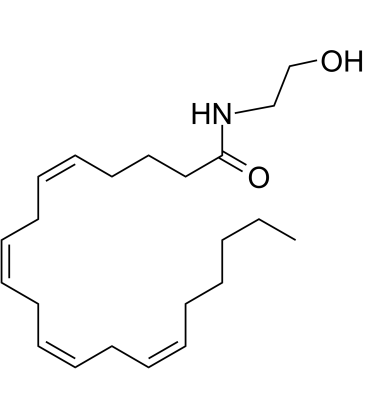 0 ImagesSynonyms: AEA; Arachidonoyl ethanolamideAnandamide is an endocannabinoid. Anandamide modulates both neuronal and immune functions through two protein-coupled cannabinoid receptors (CB1 and CB2). Anandamide can activate numerous other receptors like PPARS, TRPV1, and GPR18/GPR55. Anandamide also has potential anti-fungal and anti-inflammatory activities. Anandamide can be used for the research of Alzheimer’s disease (AD) and ulcerative colitis.
-
Rimonabant
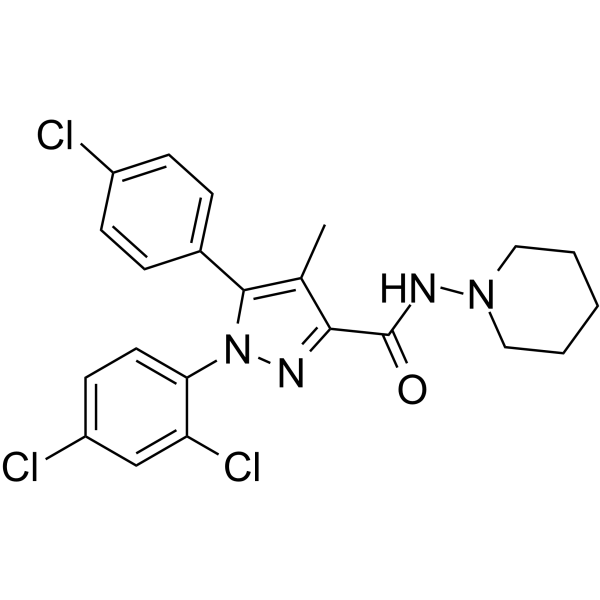 0 ImagesSynonyms: SR141716Rimonabant (SR141716) is a highly potent, brain penetrated and selective central cannabinoid receptor (CB1) antagonist with a Ki of 1.8 nM. Rimonabant (SR141716) also inhibits Mycobacterial membrane protein Large 3 (MMPL3).
-
Pregnenolone
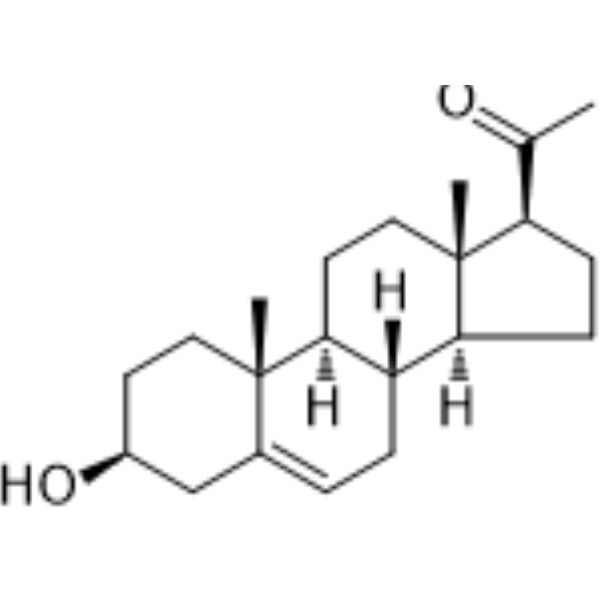 0 ImagesPregnenolone (3β-Hydroxy-5-pregnen-20-one) is a powerful neurosteroid, the main precursor of various steroid hormones including steroid ketones. Pregnenolone acts as a signaling-specific inhibitor of cannabinoid CB1 receptor, inhibits the effects of tetrahydrocannabinol (THC) that are mediated by the CB1 receptors. Pregnenolone can protect the brain from cannabis intoxication. Pregnenolone is also a TRPM3 channel activator, and also can weakly activate TRPM1 channels.
-
Rimonabant Hydrochloride
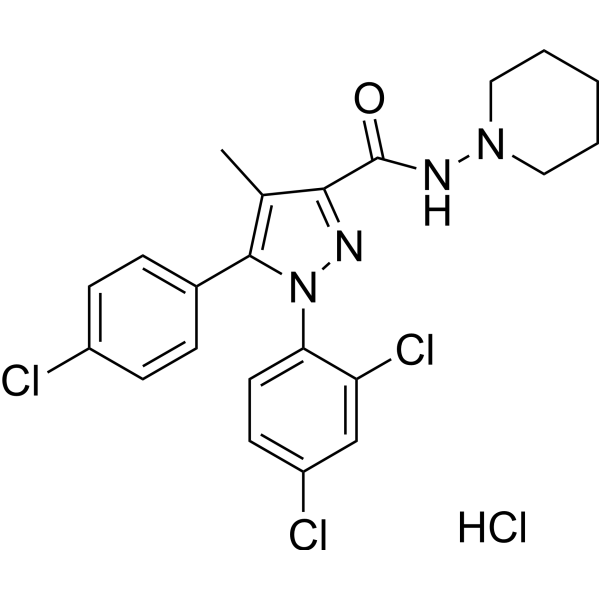 0 ImagesSynonyms: SR 141716A HydrochlorideRimonabant Hydrochloride (SR 141716A Hydrochloride) is a highly potent and selective central cannabinoid receptor (CB1) antagonist with an Ki of 1.8 nM. Rimonabant Hydrochloride (SR 141716A Hydrochloride) also inhibits Mycobacterial membrane protein Large 3 (MMPL3).
-
Pregnenolone monosulfate sodium
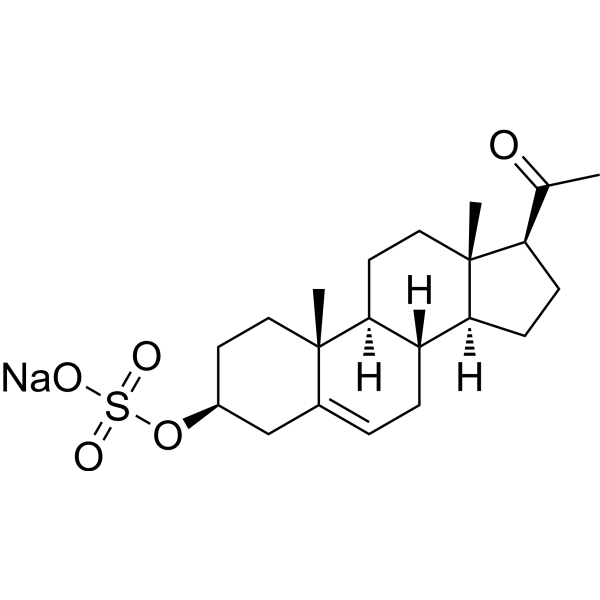 0 ImagesSynonyms: 3β-Hydroxy-5-pregnen-20-one monosulfate sodiumPregnenolone monosulfate sodium (3β-Hydroxy-5-pregnen-20-one monosulfate sodium) is a powerful neurosteroid, the main precursor of various steroid hormones including steroid ketones. Pregnenolone monosulfate sodium acts as a signaling-specific inhibitor of cannabinoid CB1 receptor, inhibits the effects of tetrahydrocannabinol (THC) that are mediated by the CB1 receptors. Pregnenolone monosulfate sodium can protect the brain from cannabis intoxication. Pregnenolone monosulfate sodium is also a TRPM3 channel activator, and also can weakly activate TRPM1 channels.
-
Leelamine
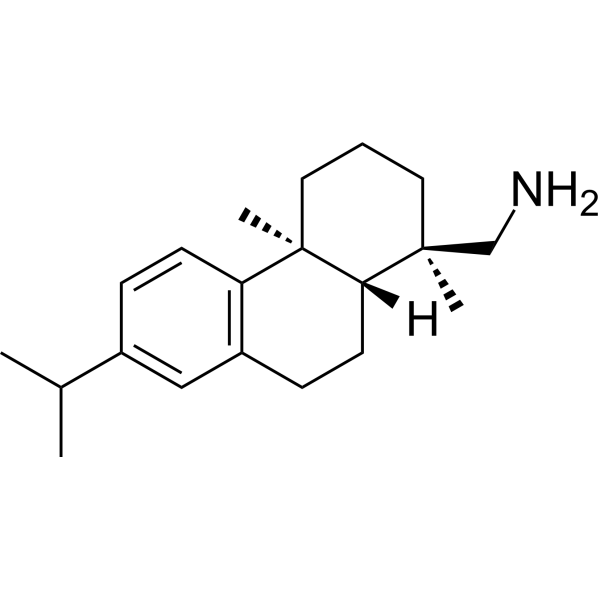 0 ImagesCat. No.: HY-W005629CAS No.: 1446-61-3Leelamine is an orally active pyruvate dehydrogenase kinase (PDK) inhibitor with an IC50 value of 9.5 μM, showing a blood glucose lowering effect in the diabetic mouse. Leelamine is also a weak agonist of cannabinoid receptors CB1 and CB2. Leelamine decreases mitotic activity, prostate-specific antigen expression and induces Apoptosis to cell death in cancer cells.
-
Leelamine hydrochloride
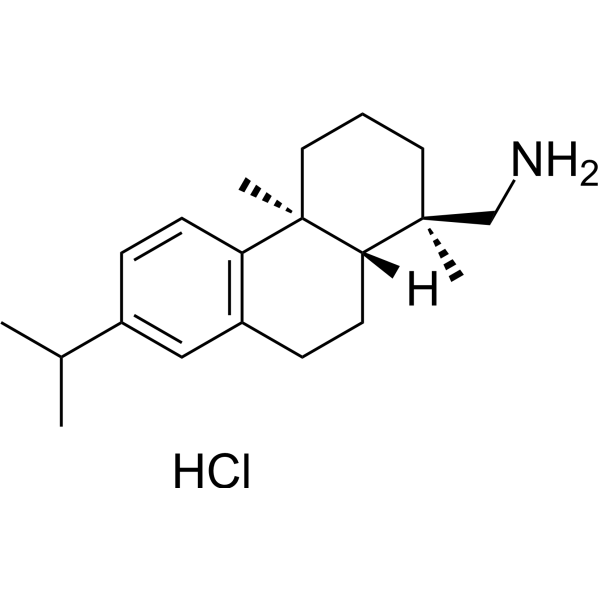 0 ImagesLeelamine hydrochloride is an orally active weakly basic amine that inhibits NPC1 and the androgen receptor AR-V7, and acts as a cannabinoid receptor agonist. Leelamine hydrochloride also functions as a lysosome affinity agent that blocks endocytosis, disrupts autophagic flux and cholesterol transport, thereby altering the RTK-AKT/STAT/MAPK signaling cascade. Leelamine hydrochloride induces cancer cell death and autophagosome accumulation, and can be used in research related to melanoma, castration-resistant prostate cancer and breast cancer.
-
Synaptamide
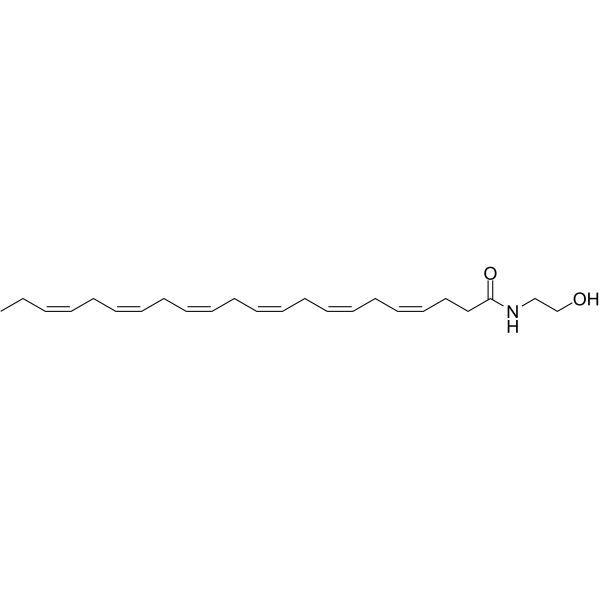 0 ImagesCat. No.: HY-100197CAS No.: 162758-94-3Synonyms: N-Docosahexaenoyl ethanolamine (DHEA); Docosahexaenoyl ethanolamideSynaptamide (Dehydroepiandrosteron; DHEA) is an endogenous metabolite and structural analogue of Anandamide. Synaptamide binds to both the cannabinoid-1 and 2 (CB1 and CB2) cannabinoid receptors and has anti-inflammatory properties. Synaptamide is the first small-molecule endogenous ligand of an adhesion G protein-coupled receptor (aGPCR) .
-
Pregnenolone monosulfate
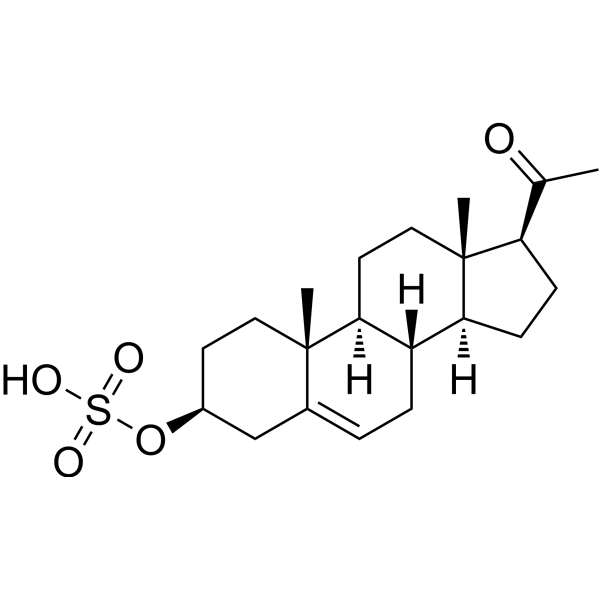 0 ImagesSynonyms: 3β-Hydroxy-5-pregnen-20-one monosulfatePregnenolone monosulfate (3β-Hydroxy-5-pregnen-20-one monosulfate) is a powerful neurosteroid, the main precursor of various steroid hormones including steroid ketones. Pregnenolone monosulfate acts as a signaling-specific inhibitor of cannabinoid CB1 receptor, inhibits the effects of tetrahydrocannabinol (THC) that are mediated by the CB1 receptors. Pregnenolone monosulfate can protect the brain from cannabis intoxication. Pregnenolone monosulfate is also a TRPM3 channel activator, and also can weakly activate TRPM1 channels.
-
Tetrahydromagnolol
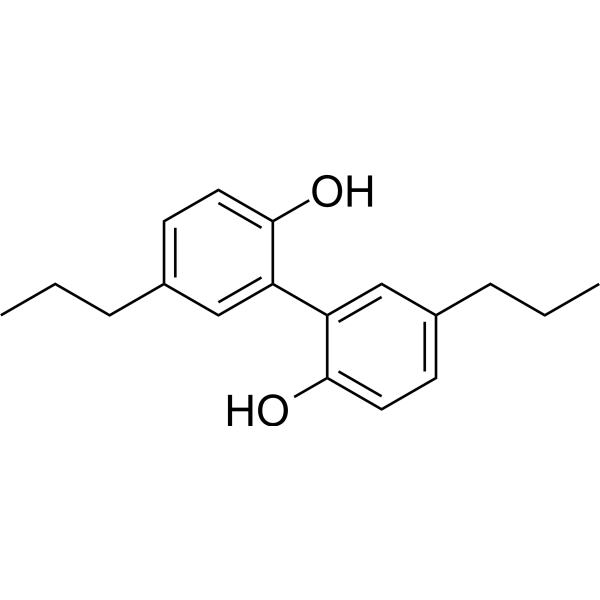 0 ImagesSynonyms: MagnolignanTetrahydromagnolol (Magnolignan), the main metabolite of Magnolol, is a potent and selective cannabinoidCB2 receptor agonist (EC50 =170 nM) and GPR55 antagonist. The Ki of Tetrahydromagnolol for CB2 is 416 nM, 20-fold higher than for the CB1 receptor. Magnolol shows antifungal, anti-inflammatory and analgesic effects.
-
GW-405833
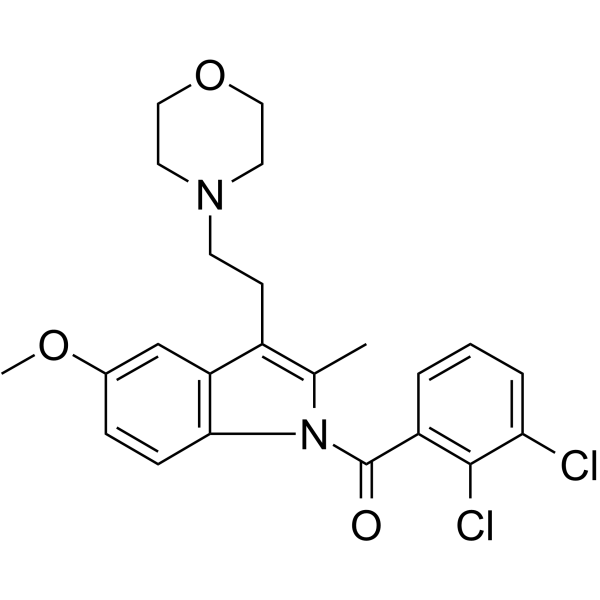 0 ImagesSynonyms: L768242GW-405833 (L768242) is a potent, selective cannabinoid receptor 2 (CB2) agonist. GW405833 has EC50 and Ki values of 0.65 nM and 3.92 nM for CB2, and EC50 and Ki values of 16.1 μM and 4772 nM for CB1. GW-405833 also exhibits non-competitive CB1 antagonist, exerting its analgesic and and anti-inflammatory effect through a CB1 receptor (rather than CB2) dependent mechanism. GW-405833 can significantly inhibit the production of cAMP stimulated by Forskolin (HY-15371). GW405833 inhibits glycolysis by down-regulating HIF-1α, thereby alleviating acute liver failure (ALF).
-
2-Linoleoyl glycerol
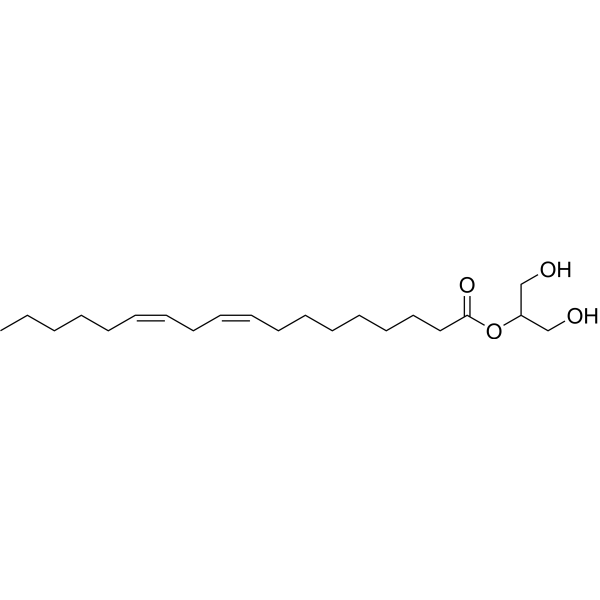 0 ImagesSynonyms: 2-Monolinolein; 2-Monolinoleoylglycerol
-
Pregnenolone (Standard)
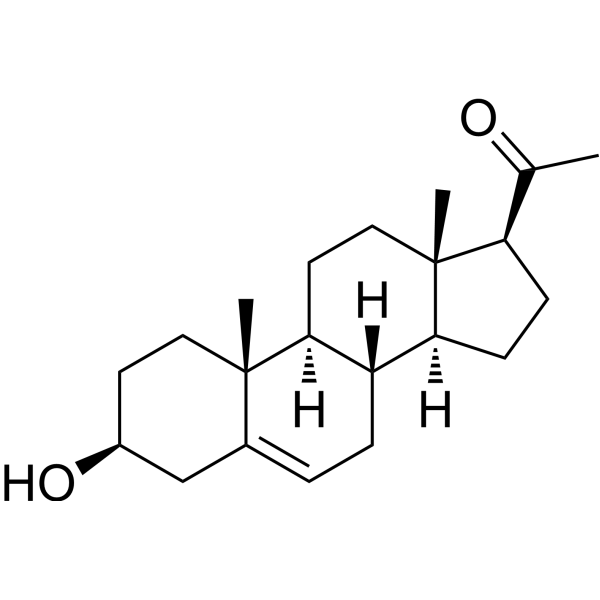 0 ImagesSynonyms: 3β-Hydroxy-5-pregnen-20-one (Standard)Pregnenolone (Standard) is the analytical standard of Pregnenolone. This product is intended for research and analytical applications. Pregnenolone (3β-Hydroxy-5-pregnen-20-one) is a powerful neurosteroid, the main precursor of various steroid hormones including steroid ketones. Pregnenolone acts as a signaling-specific inhibitor of cannabinoid CB1 receptor, inhibits the effects of tetrahydrocannabinol (THC) that are mediated by the CB1 receptors. Pregnenolone can protect the brain from cannabis intoxication. Pregnenolone is also a TRPM3 channel activator, and also can weakly activate TRPM1 channels.
-
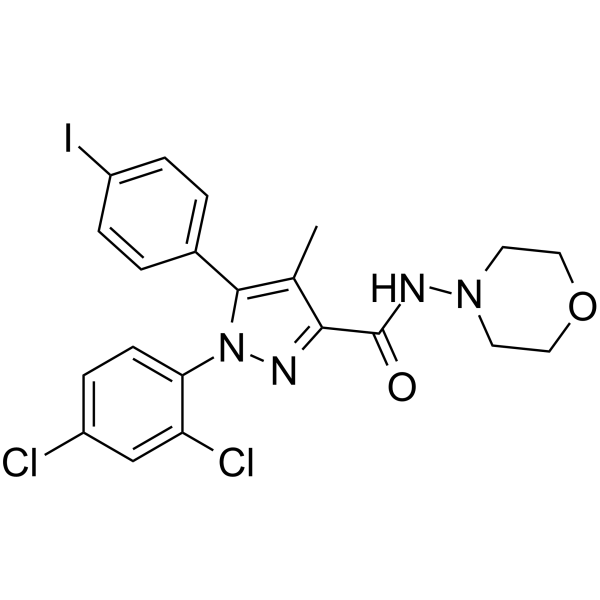
Yangonin
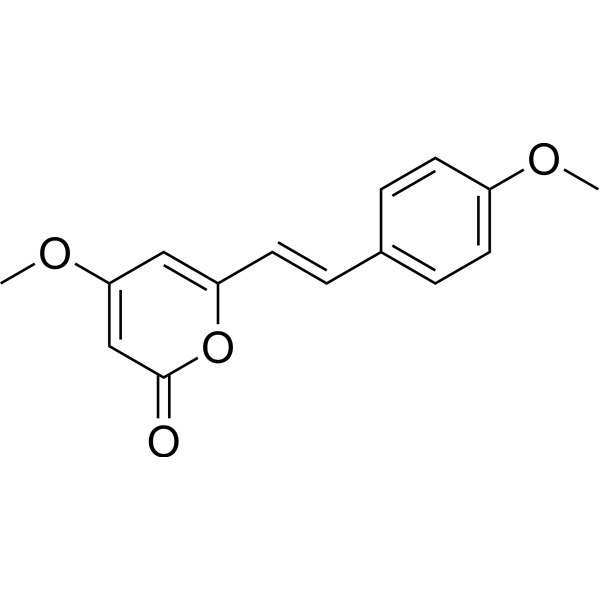 0 ImagesYangonin exhibits affinity for the human recombinant cannabinoid CB1 receptor with an IC50 and a Ki of 1.79 μM and 0.72 μM, respectively.
-
CB1/2 agonist 3
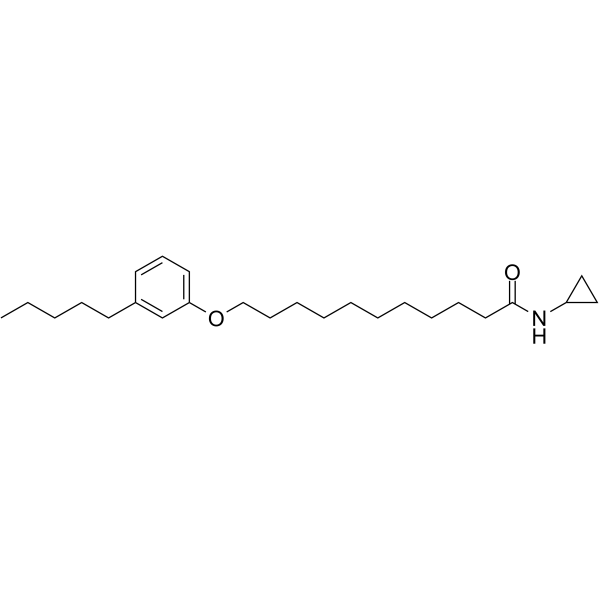 0 ImagesCB1/2 agonist 3 (compound 52), a potent non-selective cannabinoid ligand, is a CB1/CB2 (cannabinoid receptor) competitive agonist. CB1/2 agonist 3 acts on hCB1 and hCB2 with Ki values of 5.9 nM and 3.5 nM, respectively.
-
N-Arachidonyldopamine
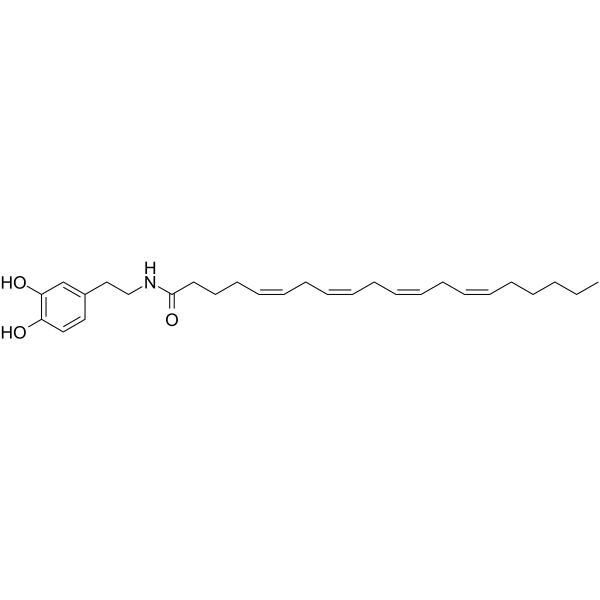 0 ImagesN-Arachidonyldopamine acts as an Anandamide (HY-10863) membrane transport inhibitor, a selective CB1 cannabinoid receptor agonist, and a VR1 receptor activator. It exhibits an EC50 value of 48 nM for rat VR1 and a Ki value of 0.25 μM for CB1. N-Arachidonyldopamine exists in mammalian neural tissues. It stimulates intracellular Ca2+ mobilization, mediates cannabinoid-like effects, and induces hypothermia, hypomotility, catalepsy, analgesia, and hyperalgesia to heat. N-Arachidonyldopamine possesses anticancer activity against breast cancer. It can be used in research related to breast cancer and heat hyperalgesia.
-
GW405833 hydrochloride
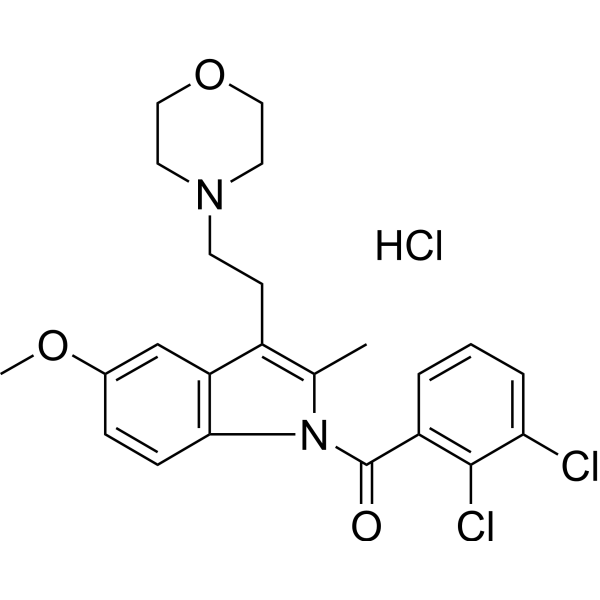 0 ImagesSynonyms: L768242 hydrochlorideGW405833 (L768242) hydrochloride is a potent, selective cannabinoid receptor 2 (CB2) agonist. GW405833 has EC50 and Ki values of 0.65 nM and 3.92 nM for CB2, and EC50 and Ki values of 16.1 μM and 4772 nM for CB1. GW405833 hydrochloride also exhibits non-competitive CB1 antagonist, exerting its analgesic effect through a CB1 receptor (rather than CB2) dependent mechanism. GW405833 hydrochloride can significantly inhibit the production of cAMP stimulated by Forskolin (HY-15371). GW405833 hydrochloride inhibits glycolysis by down-regulating HIF-1α, thereby alleviating acute liver failure (ALF).



